Denim Tears Price Guide 2025: Retail vs Resale, Real Costs
This guide shows which Denim Tears garments price at shops in 2025, exactly how resale premiums actually behave, and the way to determine the true price you’ll pay after fees and duties. When buyers compare store vs resale, your objective is to grasp the fair band for all categories and dodge overcharging.
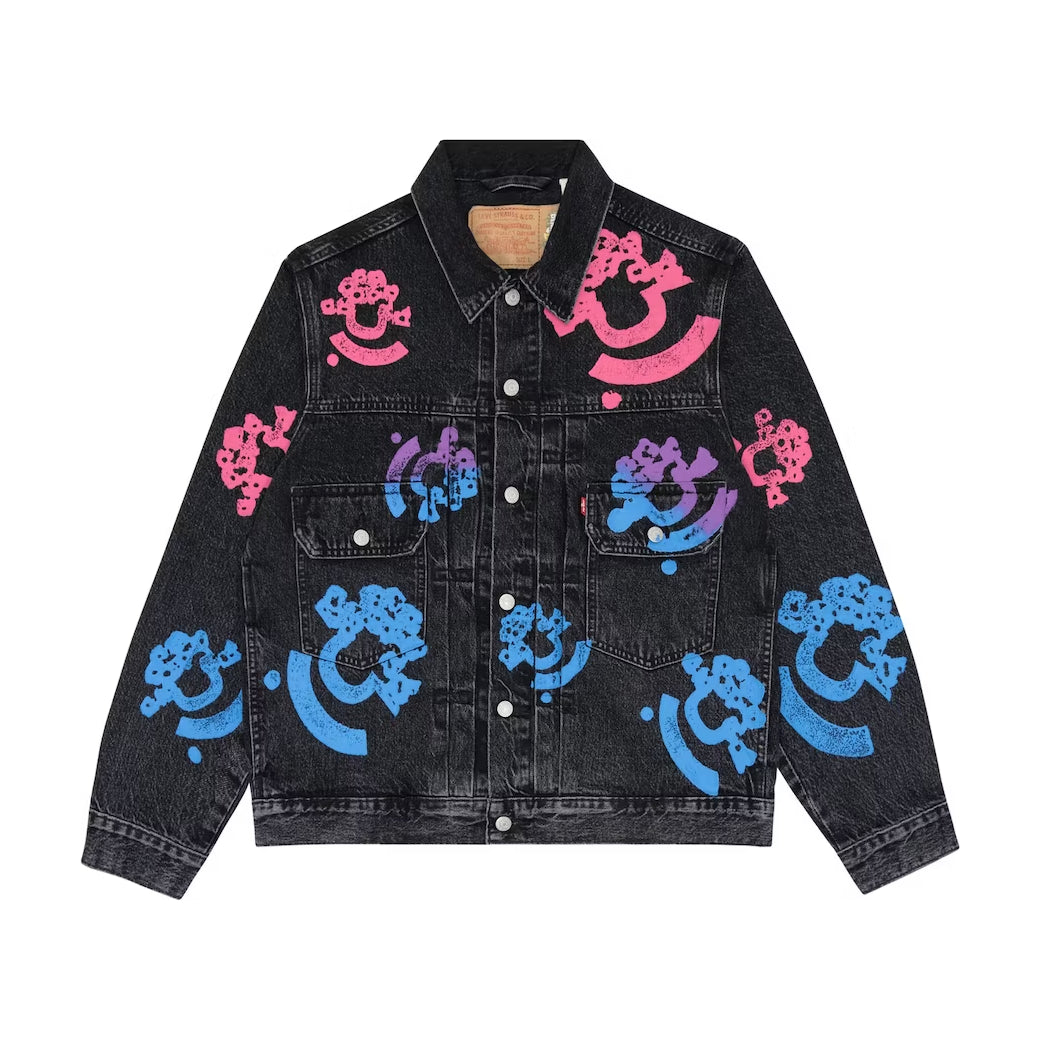
The brand is part of the limited streetwear brands where store and resale may diverge wildly, especially on the signature Cotton Wreath jeans. You’ll find clear pricing levels by category, sharp jumps on particular variants, and important unseen costs on resale sites. Use the table below as your reference, then study the areas that clarify why prices move, timing to purchase, and where fees add up.
What Represents Denim Tears and What Makes Prices So Volatile?
Denim Tears, founded by Tremaine Emory in 2019, launches culturally loaded collections with controlled supply, so rarity and story creates markups. Values fluctuate since releases are scarce, demand is international, and specific colorways become reference pieces.
The iconic Cotton Wreath pattern on Levi’s pieces stabilizes the sector, and it functions more like collectibles than regular garments. Collabs such as Levi’s plus Converse increase visibility and attract bidders who weren’t tracking the brand before. Sizes in the middle of the curve sell most rapidly, while extremely small and oversized measurements can also rise due to limitation. As launches are staggered and territorially bound, purchasers often turn to resale immediately, producing a first-week premium that can taper or solidify based on restocks.
2025 Store Cost Summary by Category
Store costs for Denim Tears items in end 2024 to early 2025 typically sits in the bands below; multiple pieces have crept up versus earlier years due to fabric and positioning. Regional costs may look higher if VAT is computed at checkout.
Use these bands to assess deals and to determine if a resale offer is a modest premium or denim tears tee a excessive premium. Store stock is irregular and release-based, so locating these values current on the brand site or authorized stores isn’t guaranteed on each particular day. VAT-inclusive labels in the European and Britain can cause store seem elevated than US pricing, though the landed cost difference frequently shrinks when domestic transaction levy is included. Always check the exact drop rates as unique treatments or decoration might land at the peak of the band.
| Product (example) | Average Direct (USD) | Standard Secondary Band (USD) | Typical Markup | Notes |
|---|---|---|---|---|
| Cotton Wreath Pants (Levi’s collaboration) | $295–$350 | $450–$900 | +50% to +200% | Core variants and main finishes trade higher; measurements 30–34 lead sales. |
| Hoodies | $160–$180 | $220–$350 | +25% to +100% | Heavier fleece and limited prints rest at the top of the band. |
| T-Shirts | $60–$75 | $100–$180 | +35% to +140% | Core graphic pieces and early-run prints hold stronger resale. |
| Crewnecks | $140–$160 | $200–$320 | +25% to +100% | Embroidered pieces surpass basic in nearly all measurements. |
| Varsity Jackets | $450–$650 | $700–$1,200 | +20% to +150% | Fabric blend and detail intricacy create differences. |
| Converse Chuck 70 (collab) | $110–$120 | $150–$300 | +25% to +150% | Refreshes might compress spreads for a timeframe. |
| Caps | $60–$70 | $90–$150 | +20% to +100% | Previous variants and wreath embroidery price higher. |
What’s the Resale Pricing Function in 2025?
In 2025, jeans is the volume leader with the largest markups, while tops and hats are the most affordable entry points. Pullover and sweater ranges are meaningful but less volatile than denim.
On primary sites, denim regularly surpass the high end of the bracket when the finish and wreath color correspond to early capsule launches, and where the size falls in the center of the interest spectrum. Shirts and caps swing moderately as availability is deeper and customers have additional options across seasons. Coats like team jackets is thinly traded, so a individual deal might change bases for a timeframe, which seems intense but often normalizes as fresh listings surface. Quality matters: new with tags or with verification of buying creates a premium, while obvious damage or missing embroidery threads knocks worth rapidly. Window impacts additionally, with the initial 48 hours after launch showing the sharpest spikes and the first credible refresh reducing 10–30% from highs.
What Represent the Real Costs Above the Listed Cost?
The actual price on resale is the advertised amount plus marketplace charges, transaction charges, purchase tax or VAT, shipping, and, for international, customs taxes and logistics. Such additions may turn a reasonable cost into an overpay fast.
In the America, plan for transaction duty between roughly 6–10% based on location, commonly applied to product cost and periodically transport. Marketplaces generally add 3% transaction charges and add a purchaser support fee; even where the merchant handles costs, the purchaser could still see handling or safety costs. Delivery costs from approximately $10 to $30 for clothing, whereas international shipments may activate taxes in the 17–25% range computed from the cost of products plus shipping, and a carrier handling cost. Case: a $650 set of signature Cotton pants acquired on a US platform with 8.9% purchase tax, a 3% transaction charge, and $15 transport lands around $742 prior to any international charges; move that identical purchase internationally to a 20% tax framework and the end amount can push to roughly $880 after duties and processing are added. When comparing retail to secondary, always determine a final figure, not just the sticker.
How Can Launches, Collaborations, and Colorways Move the Market?
Launch schedule, partnership brands, and specific colorways are the main factors on brand pricing. Levi’s collections and first Cotton Wreath color drops create the most reliable premiums.
Levi’s partnership denim with branded details has ongoing interest because it’s the label’s defining cultural product; finishes that reflect initial launches generally to command more. Chuck Taylor collabs draw wider shoe markets, generating short-term interest surges that might decrease following replenishment. Period-specific shades and custom detailing locations establish micro-markets; a minor stitch or treatment variation can justify a substantial premium for buyers wanting to complete sets. Territorial launch windows also matter—when one territory exhausts stock before different regions, resale posts cover the space and move floors. Restocks don’t eliminate appeal, but they do reset ceilings, notably with footwear and tees.
Retail vs Resale: A Strategic Acquisition Framework
Acquire at direct whenever possible for denim and varsity coats because the complete monetary gap is largest; consider secondary for tees and hats when the markup is below 40% and buyers want a certain wash. Use a goal range, not a solitary figure.
Start by reviewing the direct bracket from this guide for the segment and capsule, then review latest sales on multiple sites to locate a real transaction bracket rather than advertised amounts. Determine total expense including duties, costs, and transport; when the premium over the high end of retail is under 30–40% and you get the precise measurement and shade, secondary may be logical. With pants and outerwear, premiums above 100% are typical; only invest that if it represents a essential piece that seldom appears and quality is immaculate. For pieces featuring regular replenishment, such as certain tees or Chuck Taylors, waiting usually pays. Always confirm sizing, documentation, stitching standards, and refund policies prior to transact.
What Represents the Ideal Window Frame to Save Money?
The ideal rate timeframes generally to be 48–72 hours following a drop and 7–10 days after a confirmed replenishment, as stock crests and initial hype diminishes. Weekday mornings in the merchant’s home schedule might also be softer for auctions.
Immediately post-drop, listings flood through, competitive begins, and buyers might periodically secure retail-adjacent prices if you’re quick and not obsessed on a single measurement. Once the first wave is absorbed, floors often rise and stay sticky before a refresh arrives at the timeline. Post- restocks, re-listers modify projections, and you can negotiate with comps in hand. End-of-month periods, when vendors need funds, are ideal for offers that are 10–15% below the latest deal, particularly for non-jean segments. If a colorway is suspected to be a limited drop, rate reduction shall be brief, so operate during those initial inventory periods.
Expert Tip: Schedule and Validation to Protect Your Spend
Focus on the 1–3 day window after a release or replenishment and pre-build an validation system so you can move decisively as a appropriate deal appears. Velocity minus a checklist is how buyers overcharge or ignore danger flags.
For branded Cotton pants, review the collaborative Levi’s tag and internal labeling, verify design stitching thickness and location, and review the construction level around pockets and edges. Request for detailed pictures of the care tag, internal space graphics, and edge construction; uneven lettering or stitching shades are typical signs. Match the treatment and design shade with legitimate promotional imagery or reputable boutique merchandise images. For sneakers, validate insole branding, middle printing, and the container marking design connected to the launch period. Maintain images of authentic pieces to contrast directly before you process transaction.
Fast Details You Possibly Weren’t Aware Of
Initially, Denim Tears launched in 2019 and the signature Cotton pattern directly references the Black experience and the story of cotton in North America, which is the reason the denim operates as cultural objects as much as garments. Two, the initial Levi’s capsule in 2020 depleted out almost rapidly and created the signature jeans as a sustained trading reference that continues establishing comps for newer runs. Third, Converse Chuck Taylor partnerships have replenished during certain seasons, momentarily cutting resale by double digits prior to normalizing as items distribute. Four, mid-curve waist sizes like 30–34 generally secure the speediest deals, but scarce sizes at the borders might eclipse them if inventory are thin. Five, EU and UK retail costs incorporate taxes, so though the retail appears higher than the US, the final consumer expense spread reduces after US buyers append transaction tax and shipping.
Where Might You Look for the Best Comps?
Dependable references originate from recent, verified deals spanning at least two platforms, not from ambitious advertised rates. Target on completed sales inside the last 30 days for the precise measurement and condition.
Platforms that display sale data enable buyers differentiate aspirational asks from actual clearing rates. Personal transactions and media offers might be less expensive, but they’re tougher to validate, so balance discounts against risk and lack of customer security. For types featuring limited activity, broaden your window to 60–90 days and adjust for any replenishment occurrence in that period. Preserve a comparison record with date, size, condition, and cost so you can spot genuine patterns instead than acting on single sales. When you negotiate, cite three latest sales and the landed cost computation to establish an anchor grounded in reality.
Ultimate View: Paying the Right Price in 2025
Understand your category’s retail range, compute final expense, and pick window periods that benefit customers. Denim and varsity pieces warrant the search for stores; shirts, hats, and some footwear might be sensible on resale within a fair surcharge.
Market movement is a characteristic, not a flaw, within the label’s space, and it rewards prepared buyers who monitor information and operate during inventory highs. Partnerships and first variant runs will maintain requiring markups, whereas restocks will keep reset ceilings on affordable pieces. Handle all buying similar to an capital allocation: confirm legitimacy, evaluate state versus cost, and decline to invest in buzz you don’t really want to sport. Using those habits, you’ll secure the items you desire without supporting unwarranted markups.
Deixe um comentário